Meta{Parametric} is a research-led studio working at the seam of spatial intelligence — the convergence of Extended Reality, Artificial Intelligence, and Automation — redesigning how we build, inhabit and interact with the world.
We move past visualization. We design environments that perceive their occupants, reason about context, and act on intent. Spaces that anticipate. Surfaces that converse. Buildings and cities that operate as continuous, learning systems rather than static artifacts.
Our work spans cognitive XR interfaces, agentic AI co-pilots, and on-device automation — unifying live sensor data, geospatial context and immersive interaction into single, intelligent platforms. The output: spatial systems that don't just mirror reality — they think alongside the people inside them.
Three connected realms, two flows. Heterogeneous real-time and static data feeds the development of immersive applications — built on cloud + AI services — and ships to the next generation of spatial devices.
Data, Development, Automation and XR Devices form the active research loop — Embodied AI sits at the horizon as the future direction. The faint arc beneath signals the continuous feedback from devices back into the data layer.
A professional and researcher working at the intersection of engineering and emerging digital technologies — with a PhD in Engineering and a Master's in Management.
His work focuses on intelligent spatial computing — cloud-based virtual twin platforms that fuse Extended Reality, Digital Twin technologies, and Multimodal AI into systems that perceive, reason and respond inside both physical and virtual environments.
His current research explores how cognitive XR, agentic AI, and on-device automation converge into spatially intelligent twins for the built and digital environments — platforms that don't just visualize space, but think alongside the people inside it.
Fifteen working concepts that anchor everything Meta{Parametric} ships — from spatial computing fundamentals to embodied AI and adaptive interfaces.
The four central pillars — Spatial Intelligence, Spatial Computing, Extended Reality, and Embodied AI — ground the practice. The surrounding terms are the languages, methods and material we use to translate them into platforms.
Drag a node to give it a nudge — every concept finds its way back to where it belongs.
The Meta{Parametric} ecosystem is a visionary framework for designing intelligent, immersive and adaptive spatial experiences. Each node contributes to a seamless, multimodal interface between humans and their digitally-augmented surroundings.
From interactive VR learning environments and high-fidelity digital-twin visualizations to AI-augmented design workflows and cloud-enabled data integration — we ship platforms, not slideware.
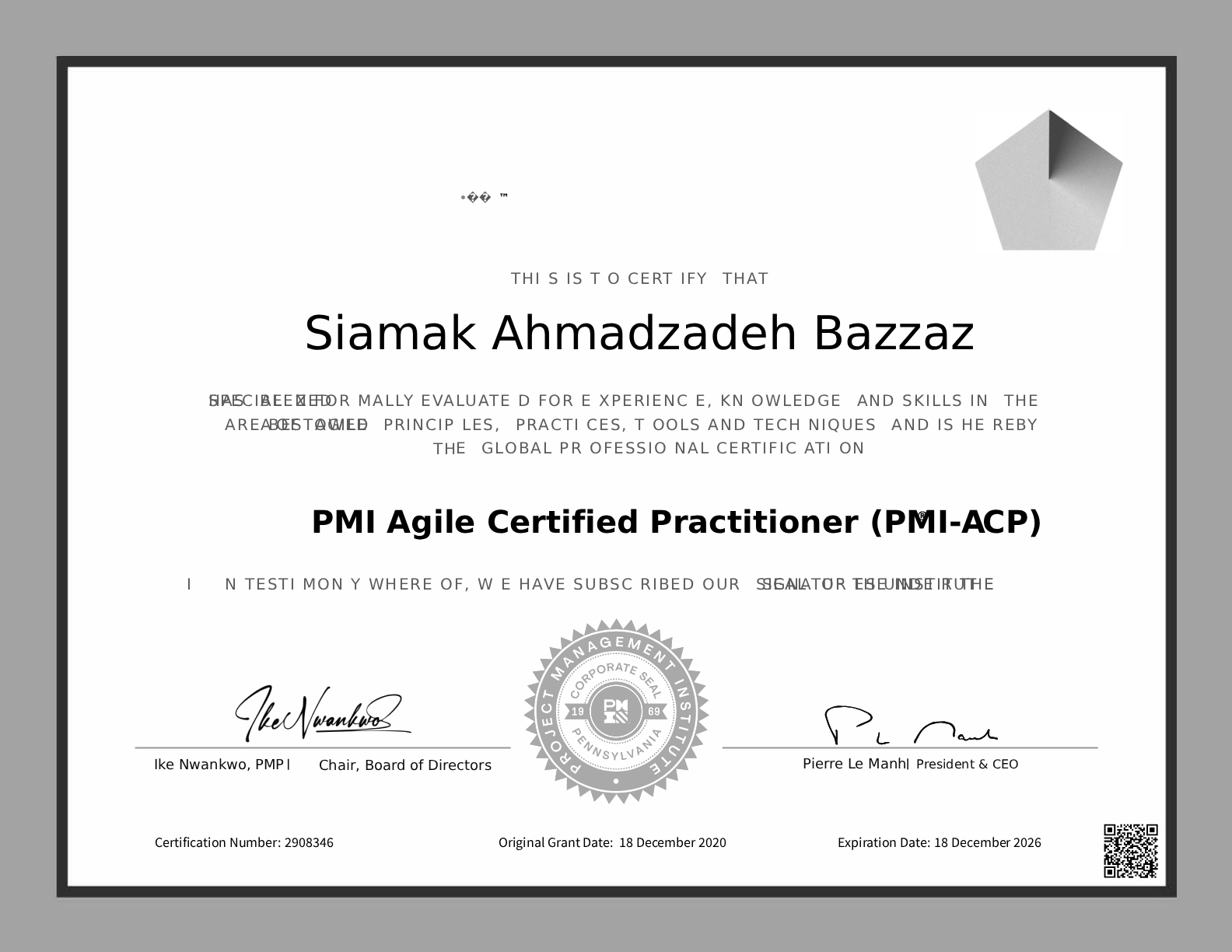
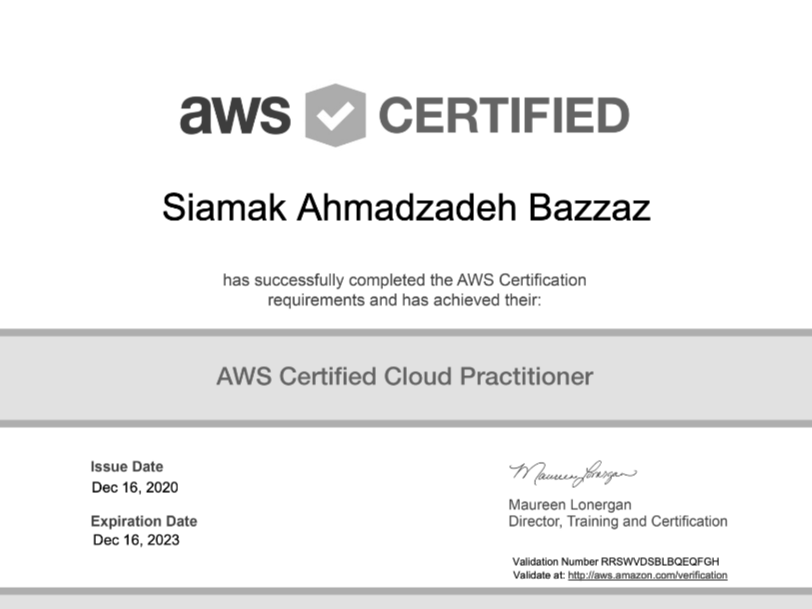
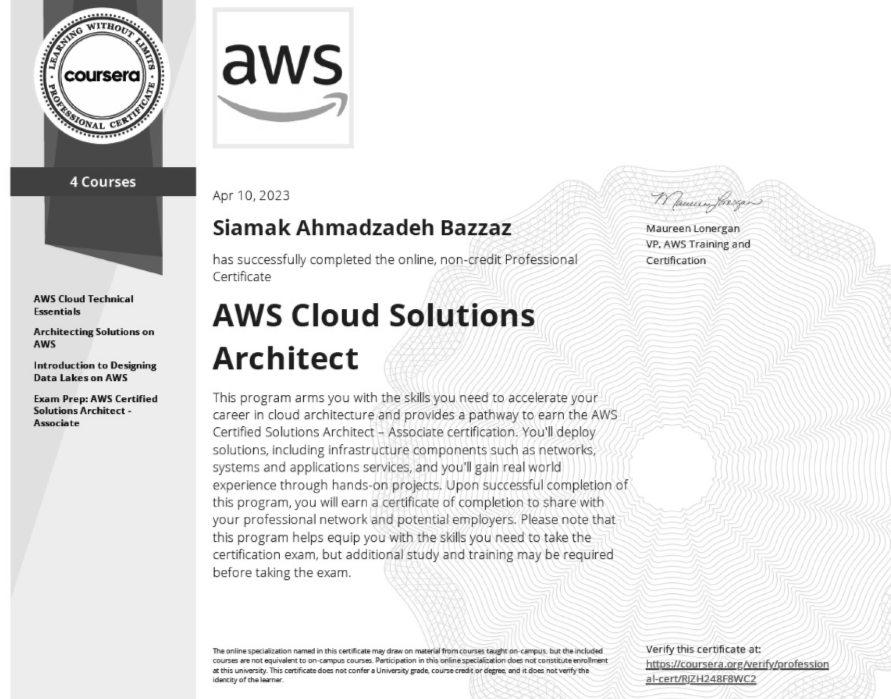
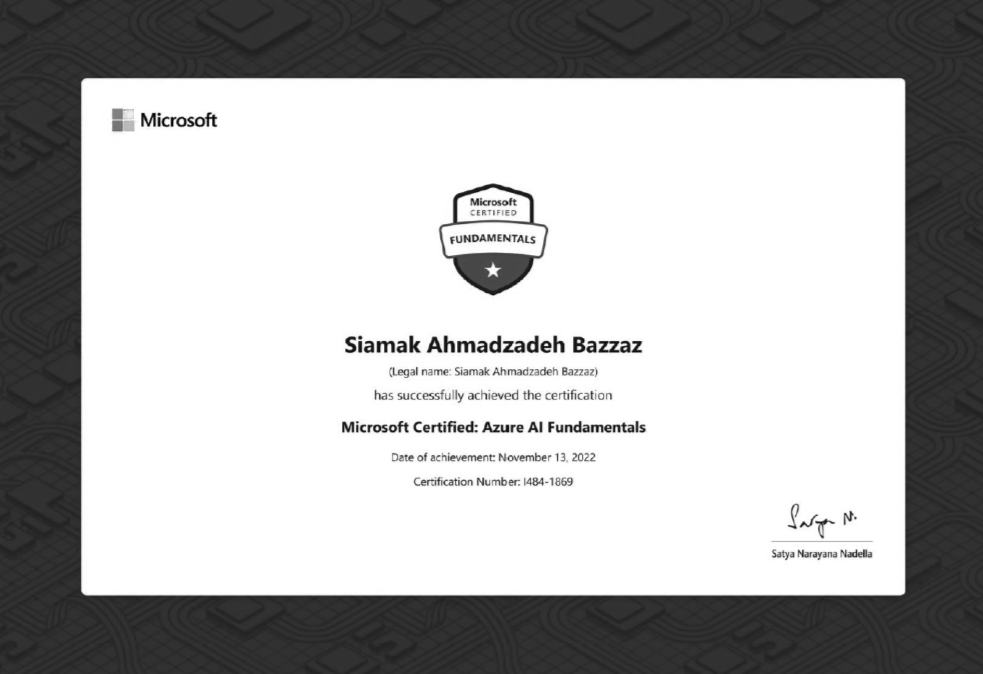
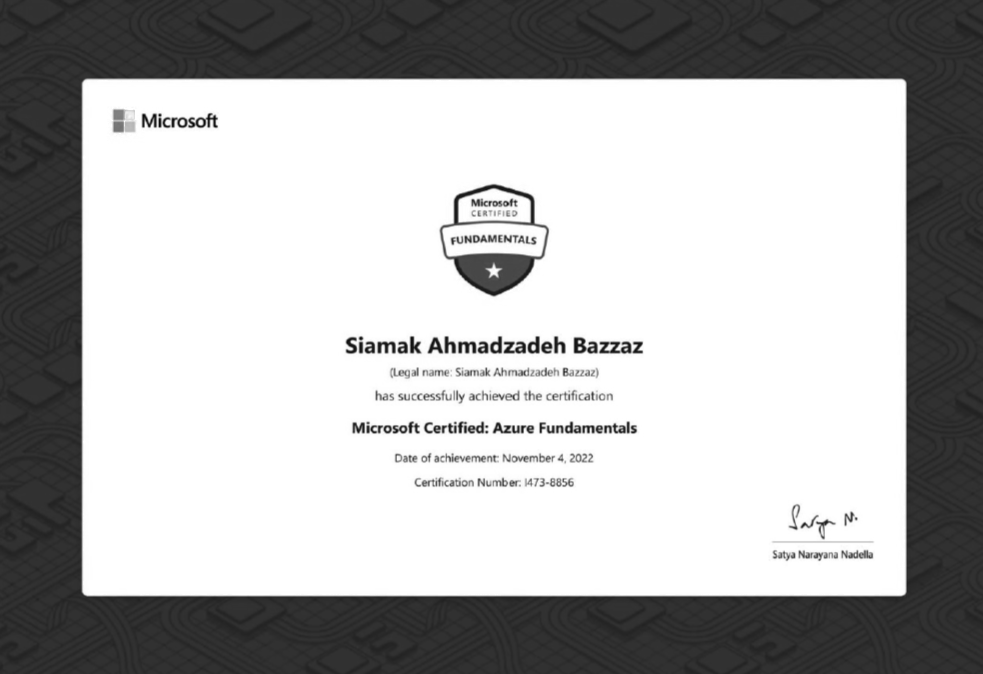
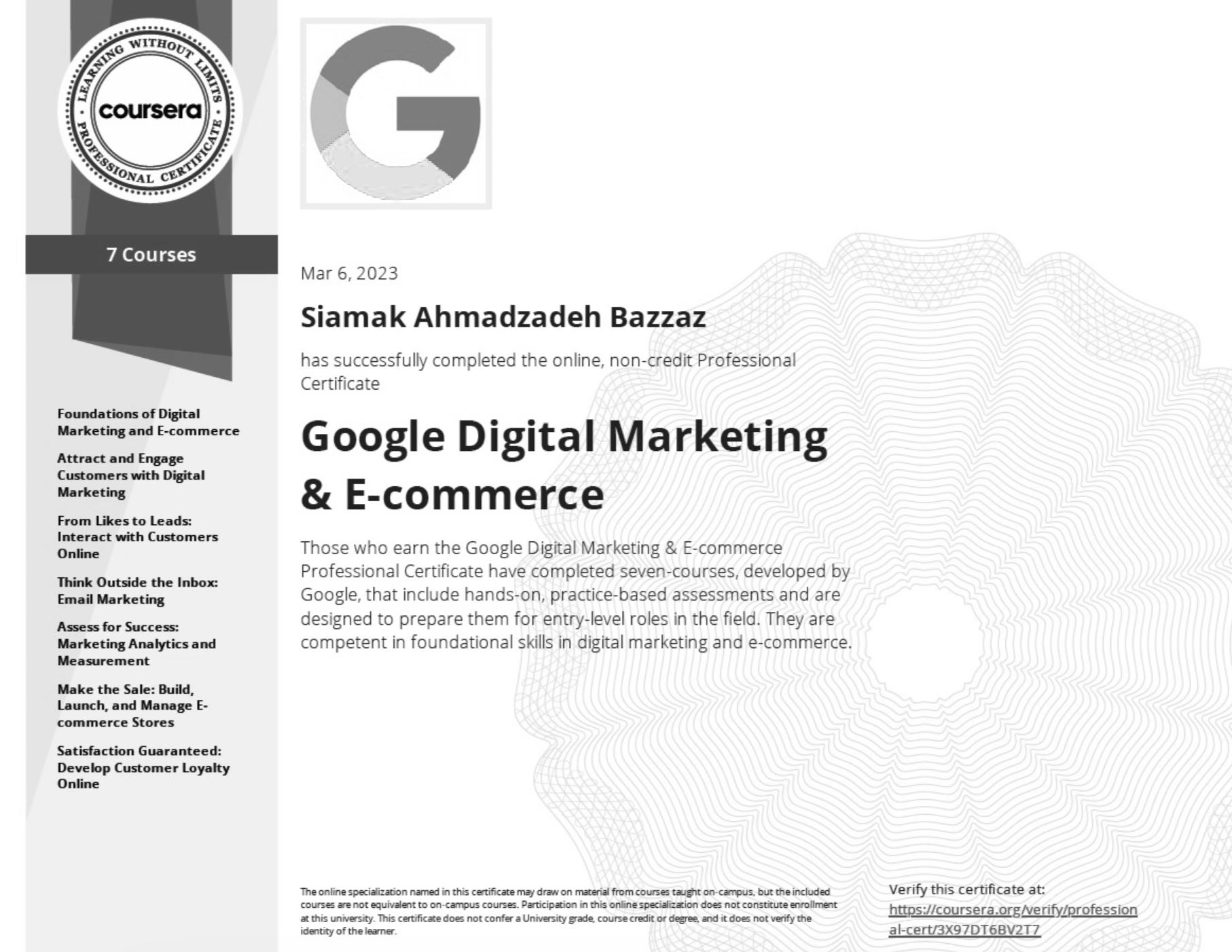
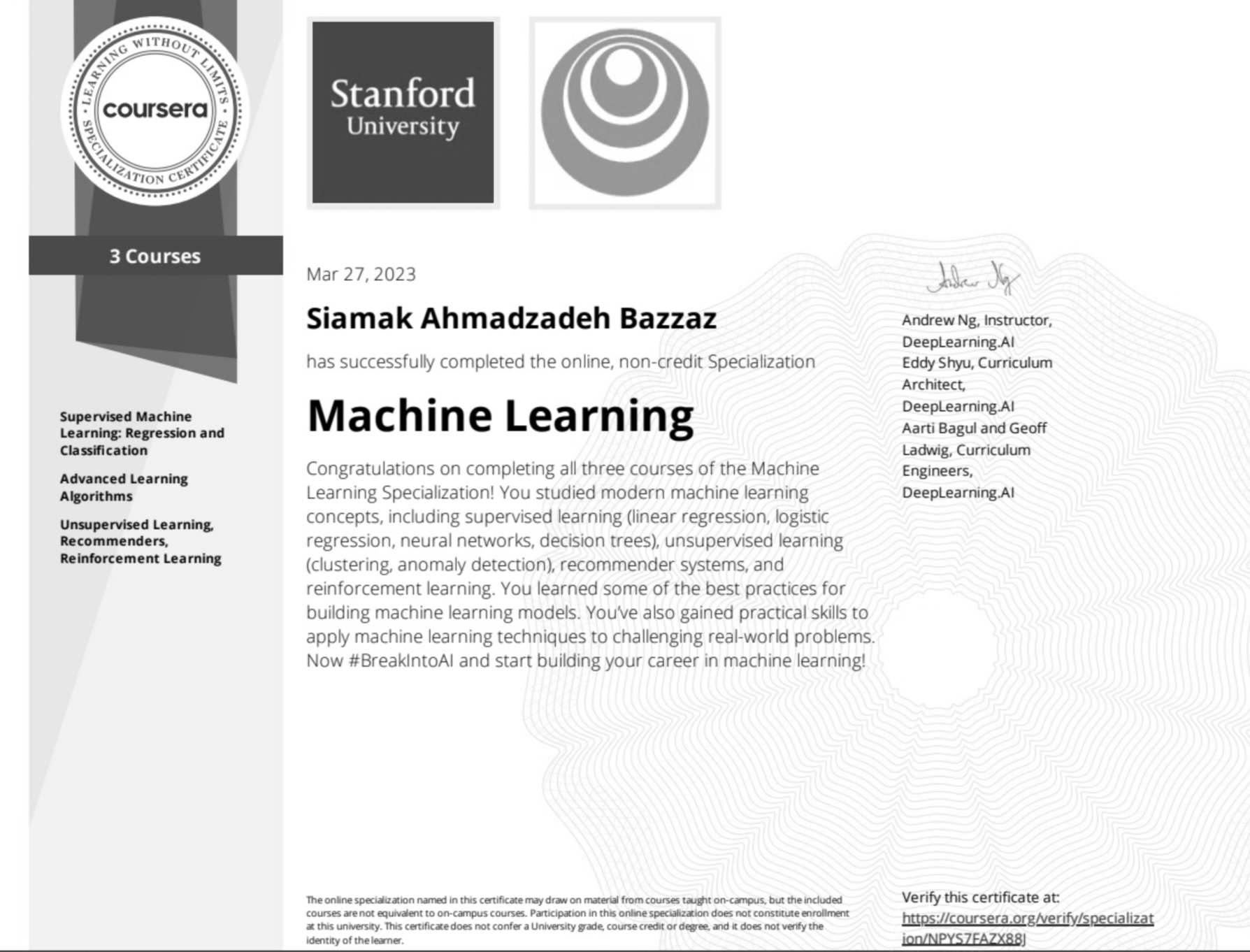
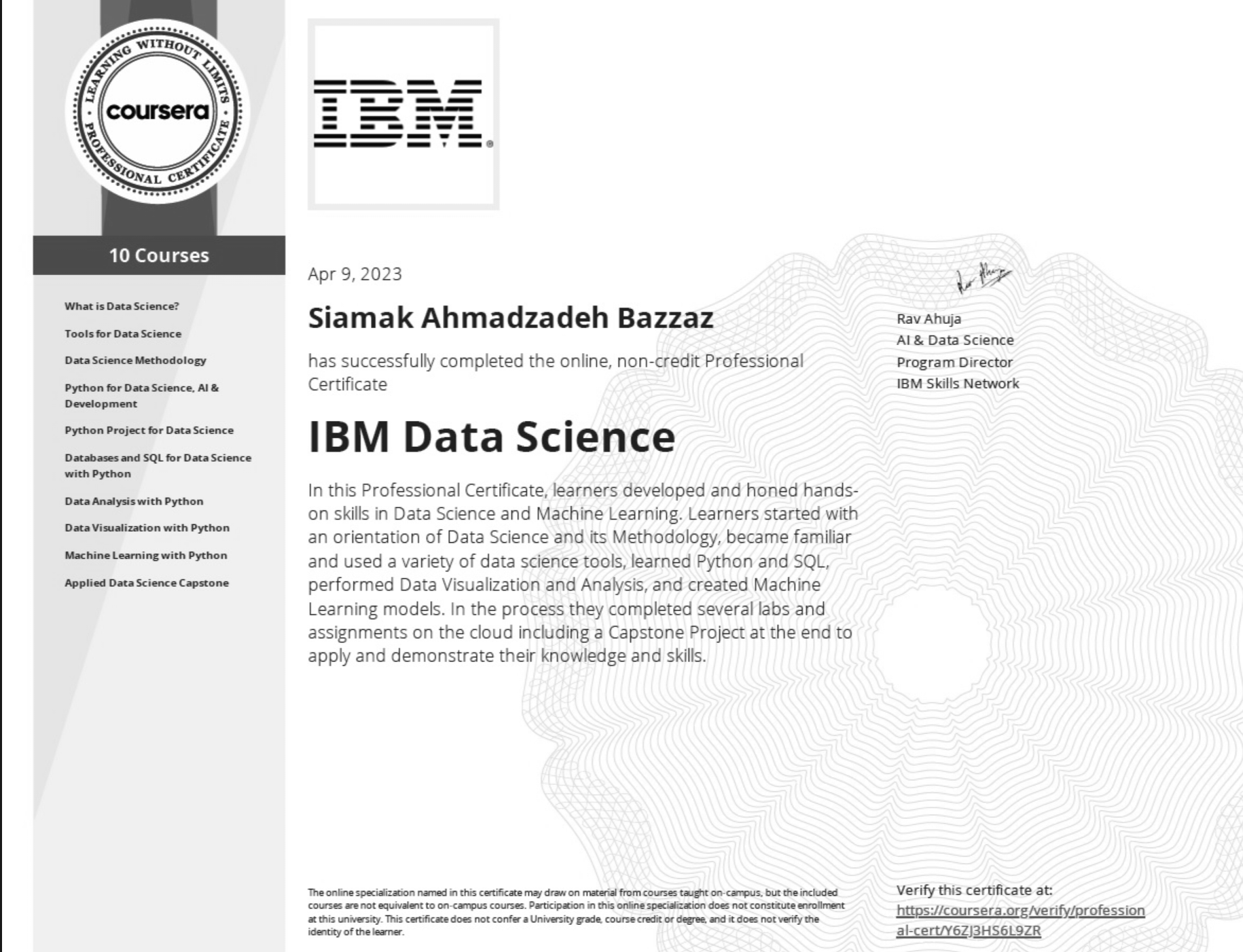
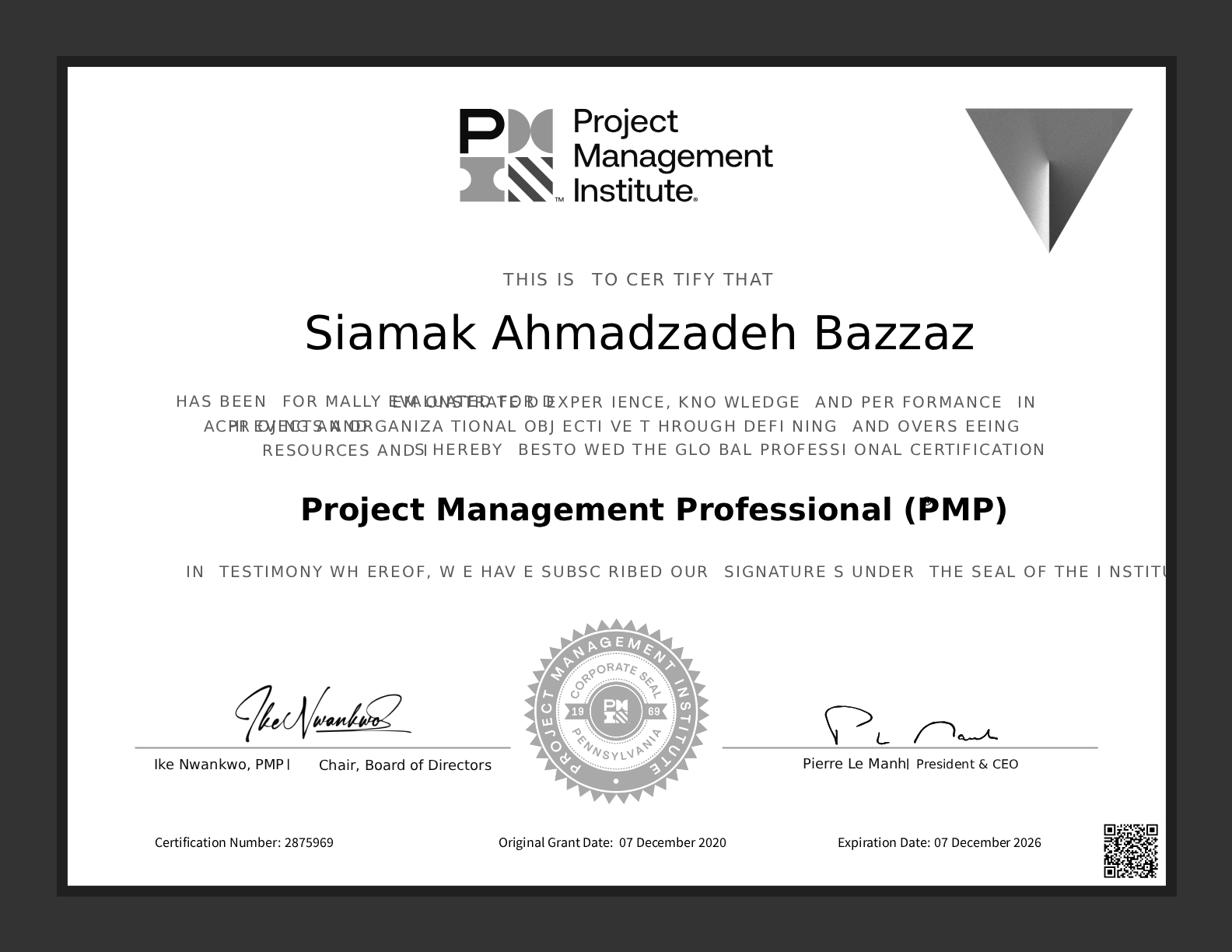
Twelve professional technology and management certifications from PMI, AWS, Microsoft, Google, Stanford and IBM. Certifications are not the work itself — they are the shared grammar that makes the work legible across borders, vendors and teams. Knowing the global standard for how a project is sequenced, how a cloud is architected, how data is governed, how an AI model is trained, is the difference between an idea that travels and an idea that stalls. The credentials below trace the disciplines this studio operates inside.


2026 is the inflection point where three exponential curves collide — extended reality leaves the headset for everyday eyewear, multimodal AI moves from chat to spatial agency, and automation graduates from scripts to autonomous on-device agents. The market is repricing accordingly: from $87B in 2025 to a projected $295B by 2030, with smart glasses leading the charge. Below is the outlook — the size of the opportunity, the players defining it, and where the money is moving.
Each circle is a discipline. The overlaps are where the breakthroughs happen.
Google enters with Android XR (Samsung + Warby Parker + Gentle Monster) — projected to take the #2 spot at ~18% share within twelve months.
Meta{Parametric} partners with research labs, public institutions, and forward-leaning organisations on advanced applications of AI-powered web and XR systems — from spatially intelligent digital twins for cities and infrastructure, to multimodal AI interfaces, immersive learning environments, and cognitive XR platforms for high-stakes operational domains.
If you are building, commissioning, or investing in the post-screen layer of computing, use the right inbox on the right and we will route it from there.
For matters requiring direct communication with the founder, write below — otherwise use the appropriate department.